
Maximizing Financial Freedom: Using a Cash-Out Refinance for Debt Consolidation
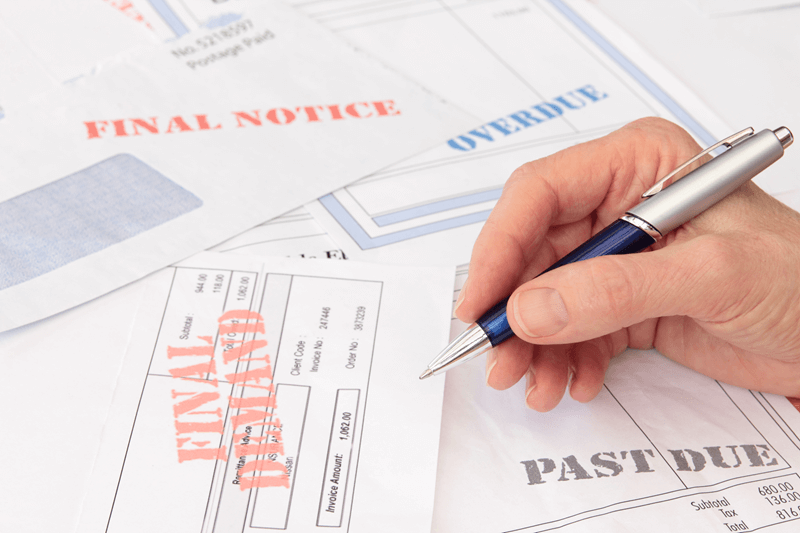
In today’s economic landscape, many homeowners find themselves juggling high-interest credit card debt while trying to make ends meet. One potential solution to this financial strain is a cash-out refinance, a strategic move that can provide the necessary funds to pay off debt and streamline monthly payments. In this blog, we’ll explore what a cash-out refinance is, how it works, and why it might be a smart move for consolidating high-interest credit card debt.
What is a Cash-Out Refinance?
A cash-out refinance is a mortgage refinancing option that allows homeowners to refinance their existing mortgage for more than what they currently owe. The difference between the new mortgage and the old mortgage is then given to the homeowner in cash. This extra cash can be used for various purposes, including debt consolidation.
How Does a Cash-Out Refinance Work?
Here’s a step-by-step breakdown of how a cash-out refinance works:
1. Assess Equity: Determine how much equity you have in your home. Equity is the difference between your home’s current market value and the amount you owe on your mortgage. For instance, if your home is worth $300,000 and you owe $200,000, your equity is $100,000.
2. Qualification: Meet with a lender to discuss refinancing options and ensure you qualify. Lenders will look at your credit score, income, and the amount of equity you have in your home.
3. Choose Terms: Decide on the new loan amount, terms, and interest rate. Ideally, you want to secure a lower interest rate than your existing mortgage and credit card debts.
4. Appraisal: Your home will likely need to be appraised to determine its current market value.
5. Closing: Complete the refinancing process, including closing costs, and receive the cash difference.
Benefits of Using a Cash-Out Refinance for Debt Consolidation
1. Lower Interest Rates: Mortgage interest rates are typically lower than credit card rates. By paying off high-interest credit cards with the proceeds from a cash-out refinance, you can save a significant amount of money on interest payments.
2. Single Monthly Payment: Consolidating debt means you’ll have one monthly payment instead of multiple credit card payments. This can simplify your financial management and reduce the risk of missing payments.
3. Tax Deductibility: Mortgage interest is often tax-deductible, whereas credit card interest is not. This can provide additional savings come tax season.
4. Improved Credit Score: Paying off high-interest credit card debt can improve your credit utilization ratio, potentially boosting your credit score.
5. Access to Larger Funds: A cash-out refinance can provide a larger sum of money than other types of loans, giving you more flexibility to pay off debt and address other financial needs.
Potential Risks and Considerations
1. Secured Debt: By converting unsecured credit card debt into a secured mortgage, your home becomes collateral. Failure to repay the mortgage can result in foreclosure.
2. Closing Costs: Refinancing comes with closing costs, which can be substantial. It’s essential to factor these into your decision-making process.
3. Longer Repayment Term: Extending the repayment term of your mortgage might lower monthly payments but can result in paying more interest over the life of the loan.
4. Discipline Required: It’s crucial to avoid accumulating new credit card debt after consolidating. Without discipline, you could end up in a worse financial situation.
Is a Cash-Out Refinance Right for You?
A cash-out refinance can be a powerful tool for consolidating high-interest credit card debt, but it’s not a one-size-fits-all solution. Consider your financial goals, current mortgage terms, and overall financial health. Consulting with a financial advisor or mortgage professional can provide personalized insights tailored to your situation.
Final Thoughts
Debt consolidation through a cash-out refinance offers the potential for significant financial relief by lowering interest rates, simplifying payments, and improving credit scores. However, it’s essential to weigh the benefits against the risks and ensure you’re prepared to manage your finances responsibly post-refinance. With careful planning and discipline, a cash-out refinance can be a strategic move toward greater financial freedom and stability.


